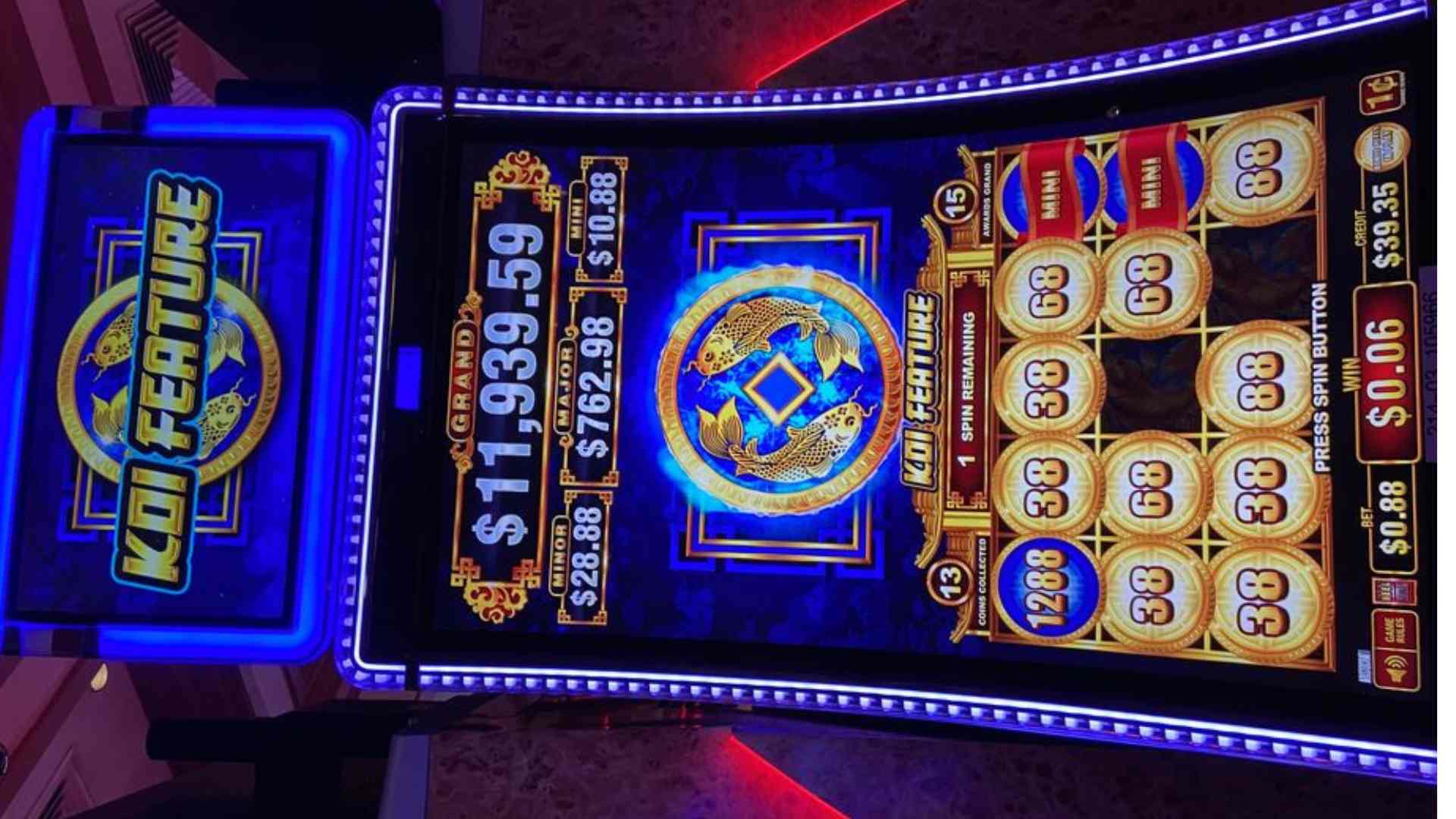
For decades, iconic television broadcasts captivated millions of viewers by using massive spinning wheels to determine cash prizes, multipliers, and game outcomes. The visual spectacle of a physical wheel slowing down to select a numerical value created unparalleled suspense. Today, modern digital entertainment developers draw heavy inspiration from these broadcast formats to design engaging numerical features. Understanding how traditional wheel mechanics transitioned into contemporary digital engines highlights the enduring power of visual probability.
The Transition from Mechanical Spins to Digital Algorithms
Classic game show wheels relied on physical momentum, friction, and visible stoppers to deliver unpredictable results to audiences. Modern digital formats replicate this experience using sophisticated software algorithms that calculate outcomes long before the visual animation completes. This seamless blend of mathematical fairness and graphic presentation maintains user trust while keeping the excitement intact.
By translating physical physics into visual animations, digital platforms preserve the nostalgic appeal of traditional television sets. Players still experience the tactile thrill of watching a wheel move past different segment values. This bridge between traditional media and digital software has proven vital for modern game design.
Segmented Odds and Prize Distribution Mechanics
The layout of a classic game show wheel was rarely accidental; each slice represented a specific statistical probability. High-value multipliers were typically assigned smaller sections, while standard payout values occupied larger portions of the wheel area. Modern numeric games adopt this exact structured approach to balance dynamic rewards with clear mathematical risk.
Designing segmented layouts allows developers to offer layered engagement across standard gaming sessions. Players can easily visualize their chances of landing on specific multiplier sectors based on slice width and positioning. This visual transparency helps build realistic expectations during play.
Enhancing Player Engagement Through Anticipation
One of the greatest contributions of classic wheel mechanics is the concept of near-miss tension as the wheel gradually loses speed. As the pointer ticks past high-reward numbers, viewers and participants experience heightened cognitive focus. Digital developers implement similar deceleration curves in modern interactive interfaces to maximize visual feedback.
These dynamic visual cues transform simple numeric draws into memorable events. Even when outcomes are instantly computed by secure servers, the extended visual display provides genuine entertainment value. This psychological principle continues to shape user interface trends across the gaming industry.
The Legacy of Game Show Formats in Today Interactive Media
As interactive streaming and live hosted online rooms grow in popularity, game show wheels have returned to the spotlight. Contemporary platforms combine live video hosts with large physical or digital wheels to create social, community-driven experiences. This modern synthesis demonstrates how classic mechanical concepts adapt to new broadcast technology without losing their core appeal.
Ultimately, the fusion of traditional game show elements with modern number algorithms has enriched digital entertainment. By focusing on intuitive design, transparent odds, and visual anticipation, creators continue to build compelling systems. The classic spinning wheel remains an timeless symbol of fortune, fairness, and dynamic interactive fun.