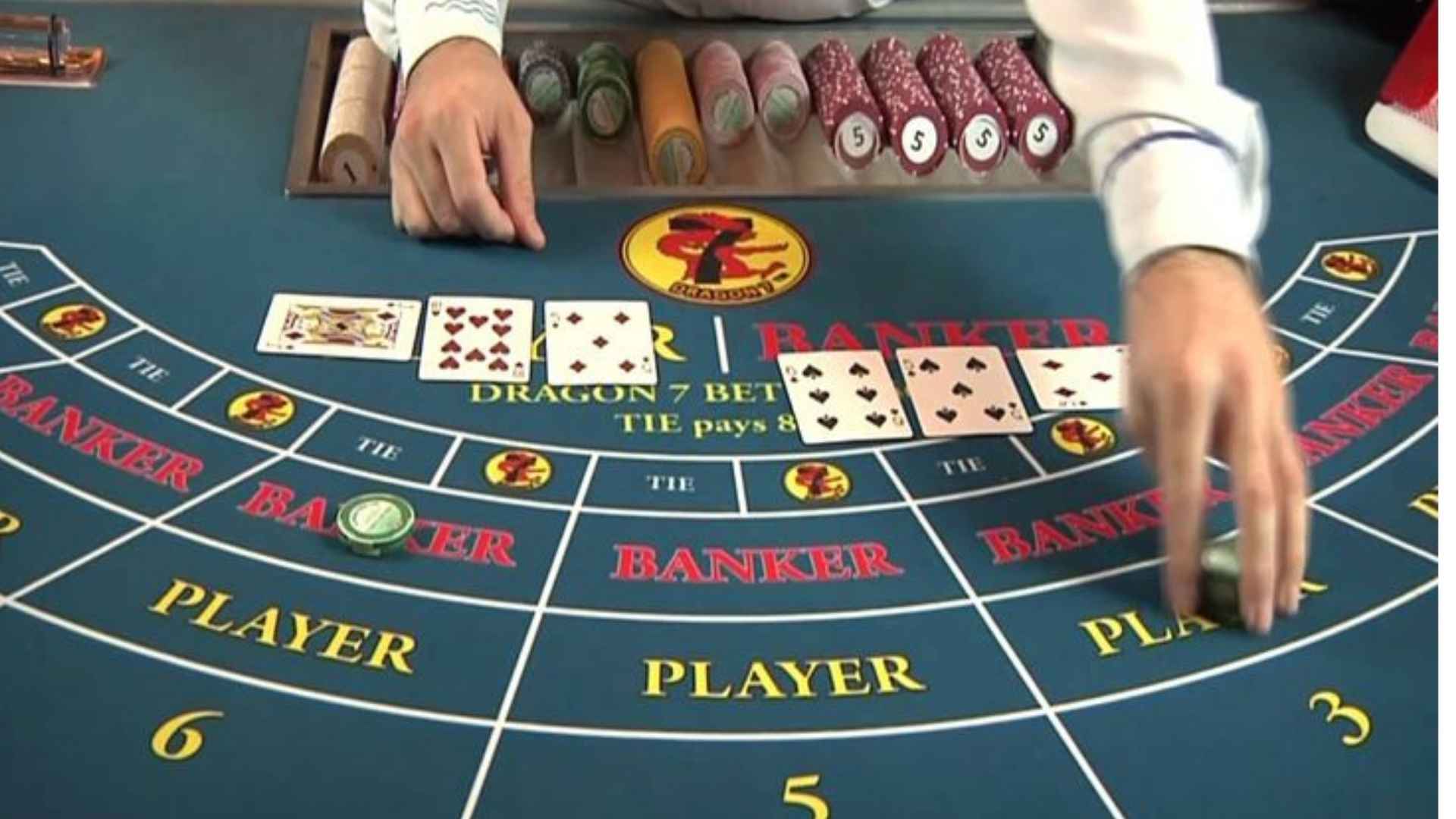
The global narrative of casino card games often highlights how slight operational adjustments completely redefine the player experience across generations. While modern casino floors rely heavily on standardized layouts that maximize transaction speed, historical variants of baccarat featured deep personal responsibilities that transformed simple number comparisons into intense social contests. Exploring these vintage architectures reveals a time when physical positioning and shared financial exposure dictated the entire flow of a live match.
The Multi Player Architecture of Baccarat Banque
Unlike the standard North American format known as Punto Banco, the historic European variant known as Baccarat Banque implemented a highly sophisticated table layout. The physical arrangement consisted of two distinct sides of a semi-circular table, allowing a single banker to challenge two separate groups of participants simultaneously. This dual-table design altered the psychological pacing, as the central dealer had to balance risk across multiple active hands during each round.
This layout meant that participants were not merely betting against a corporate house with unlimited capital resources. Instead, the tactical distribution of cards required deep concentration from everyone involved to track changing probabilities across both fields of play. This specific mechanical configuration effectively minimized collective passivity, turning a casual card game into an engaging communal exercise.
Shared Financial Risk and the Dynamic Banking Privileges
In early European gambling salons, the role of the banker was viewed as an elite status symbol rather than a permanent operational fixture. The entire structure relied on individual participants taking turns to physically fund the table capital and manage the operational stakes. This fluid arrangement meant that the individual holding the bank assumed immense financial responsibility against the collective wagers of the remaining seated players.
Because the rules allowed independent drawing decisions rather than forcing mandatory card resolutions, strategic freedom became a vital aspect of survival. Modern gaming enthusiasts seeking to analyze how these classic structural foundations transitioned into contemporary digital frameworks can visit boss29 to discover insightful reviews of modern gaming tables. This legacy reminds analysts that early table formats successfully fostered an atmosphere where personal choice and reputational risk carried significant strategic weight.
How Spatial Awareness Guided Historical Table Strategy
The physical seating placement chosen by a participant around a classic semi-circular table directly influenced their access to live structural data. Seating dynamics dictated the precise order of card distribution, allowing players positioned further down the line to observe initial reactions before making critical tactical choices. This reliance on immediate environmental observation created a unique form of engagement that formulaic memory templates often overlooked.
Long before automated shuffling systems and digital monitors standardized the industry, manual card distribution kept the human element central to the venue. The intersection of local customs and strict behavioral etiquette ensured that every round felt like a distinct social ritual rather than a rapid series of random outcomes. Exploring these old custom variations provides researchers with a comprehensive perspective on how modern table rules originally emerged from sophisticated social frameworks.