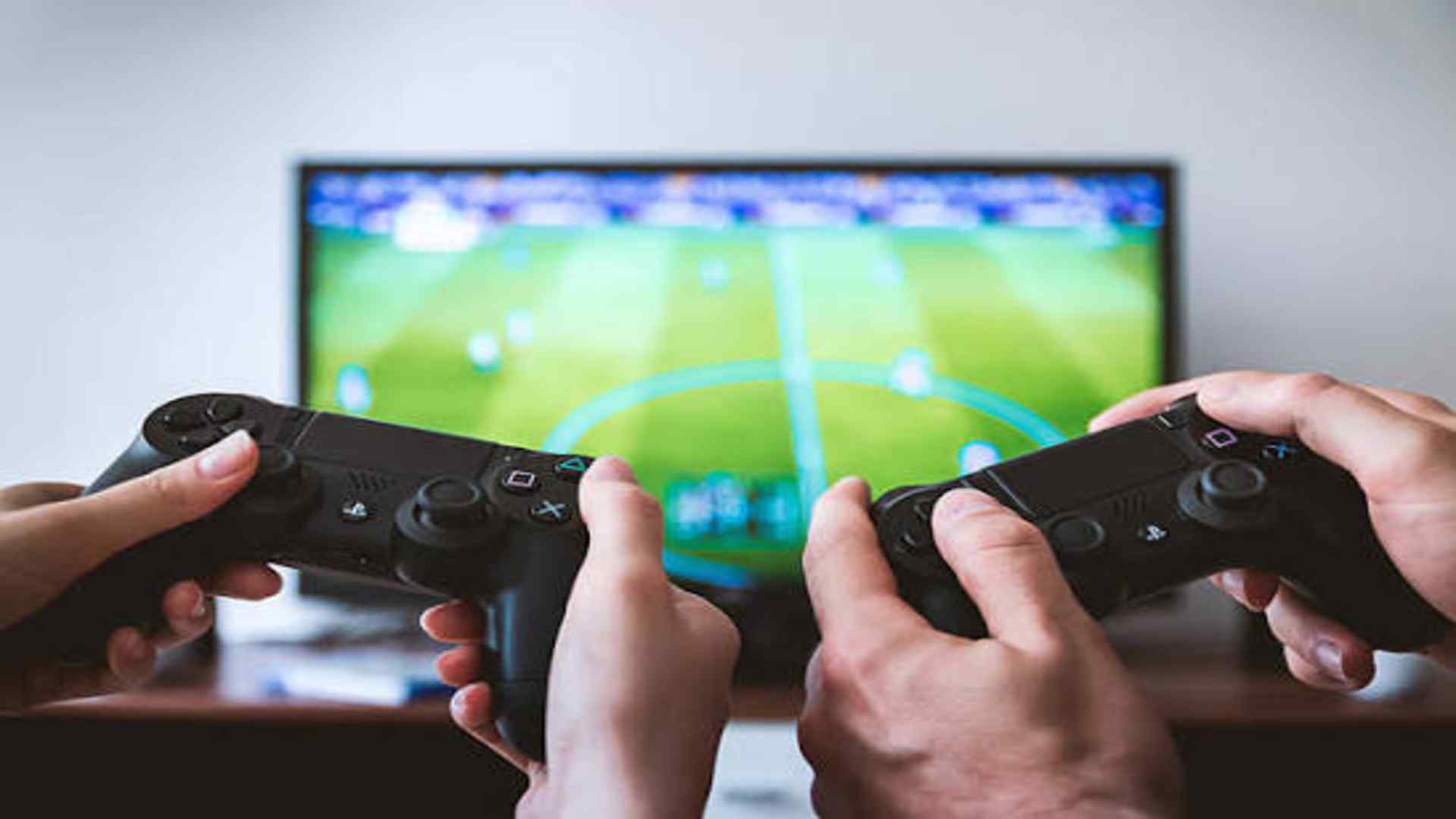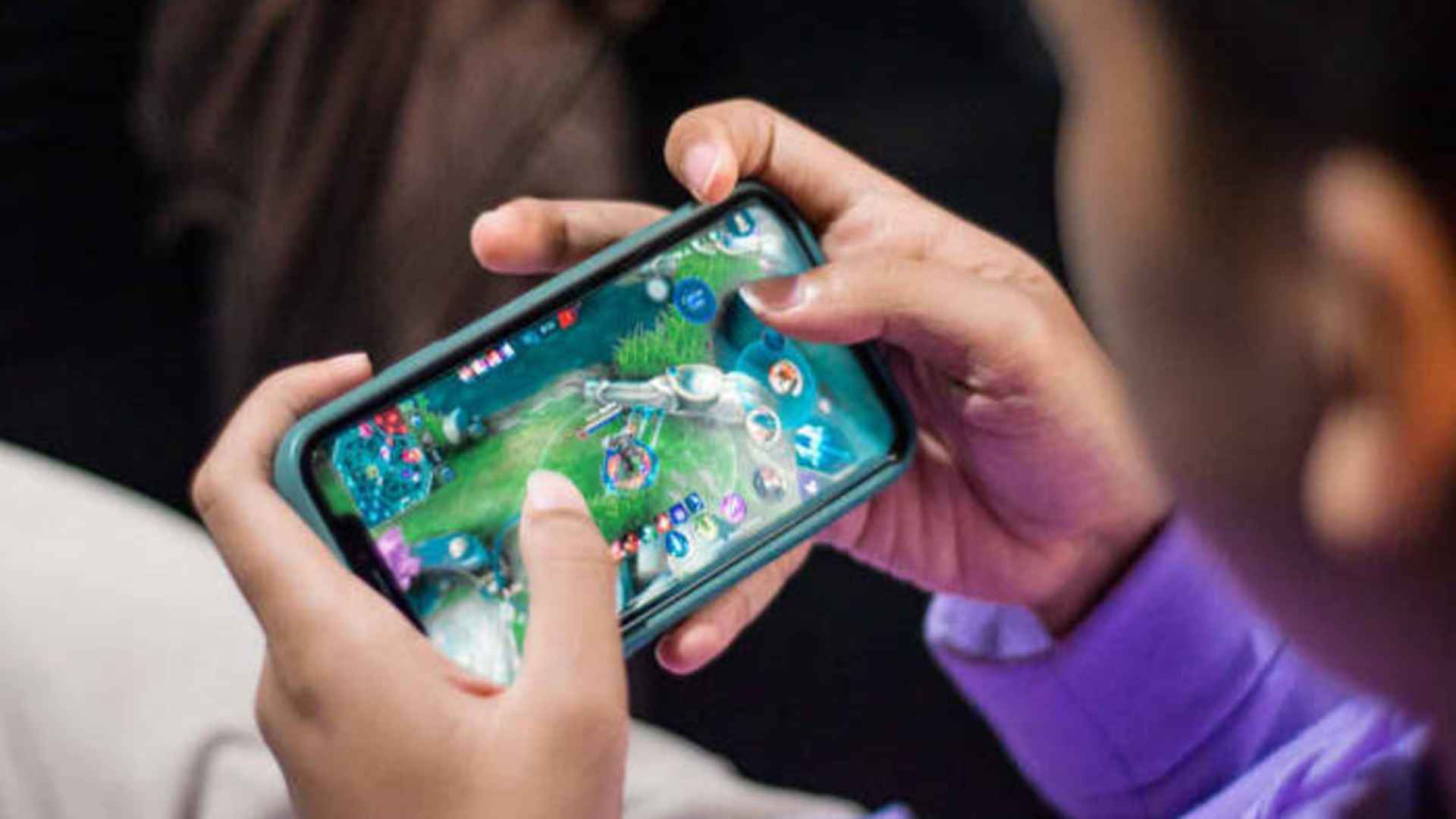
The landscape of mobile gaming in 2026 has evolved from simple solitary pastimes into highly sophisticated social platforms that actively encourage deep collaboration. Modern developers are designing complex interactive environments where reaching a shared goal requires genuine coordination, communication, and mutual trust. As a result, players are discovering that cooperative portable titles are excellent tools for building real-world interpersonal skills.
The Shift Toward Cooperative Mechanics
Earlier generations of mobile games focused heavily on individual high scores or direct player-versus-player conflict. Today, the most engaging titles challenge groups of friends to solve intricate puzzles, manage shared resources, and protect virtual territories together. This shift forces participants to look past individual performance and focus entirely on collective victory.
By prioritizing shared success, these digital environments help individuals recognize the diverse strengths of their peers. Some players excel at rapid tactical decision-making, while others are better suited for long-term planning and resource management. Learning to balance these roles within a fast-paced game environment translates directly into healthier team dynamics in the workplace.
Building Trust Through Strategic Communication
Successful cooperative gaming relies entirely on immediate, clear, and constructive communication between active participants. Whether coordinating a high-stakes raid or organizing a defensive line, players must learn to express their intent quickly without cluttering the channel. This constant flow of information builds a strong sense of accountability and shared responsibility among team members.
Overcoming difficult in-game challenges together reinforces the psychological safety needed for healthy group collaboration. When players realize they can rely on their teammates to cover their blind spots, their willingness to experiment with new tactics increases. For those interested in how these interactive elements impact modern competitive environments, exploring comprehensive updates on Mansion Sports can provide deeper context on the intersection of virtual coordination and physical team building.
Long-Term Collaboration in Virtual Guilds
Beyond quick individual matches, many modern mobile titles feature deep guild systems that require ongoing, long-term strategic organization. Managing a digital community requires leaders to schedule activities, mediate minor disputes, and distribute collective rewards fairly. These virtual responsibilities mirror real-world project management tasks, offering valuable leadership practice to younger generations.
These persistent online communities also provide a welcoming space for global players to connect and share diverse perspectives. Working alongside international teammates to achieve a massive seasonal objective helps broaden cultural understanding and improves remote collaboration skills. Ultimately, the virtual bonds formed during these digital campaigns often lead to lasting, supportive real-world friendships.