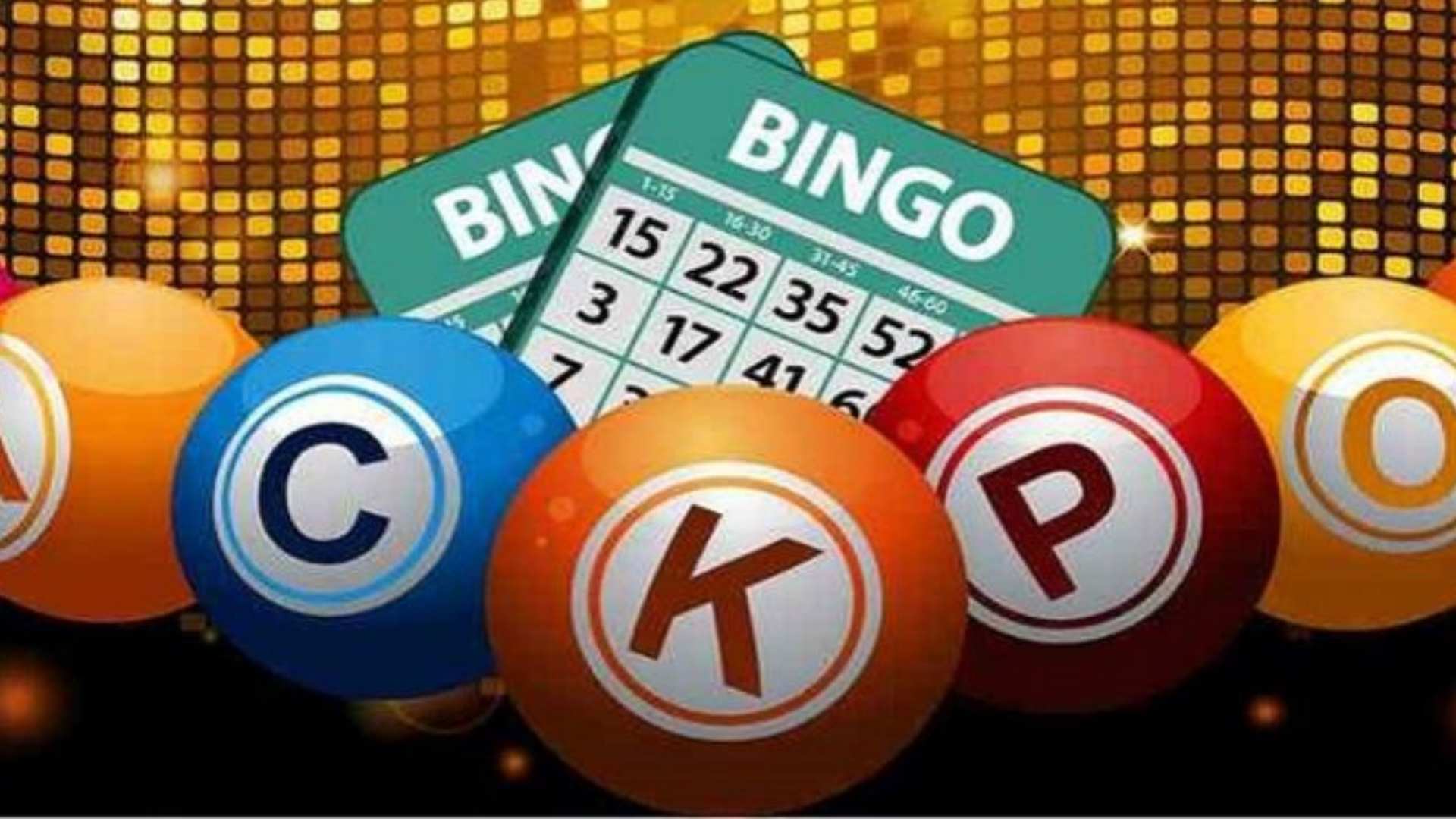
Bingo has long transcended its reputation as a simple game of chance, evolving into a powerful social tool that bridges gaps between diverse groups of people. Whether hosted in traditional local halls or organized on modern digital platforms, this engaging activity fosters meaningful interactions and creates shared experiences. By bringing individuals together in a relaxed and welcoming atmosphere, it effectively builds a strong sense of belonging within neighborhoods.
The Social Value of Shared Gaming
Gathering to play games offers an excellent way for individuals to break out of isolation and engage with their peers regularly. These interactive sessions provide a reliable public sphere where participants can converse, laugh, and share stories while waiting for the next number call. The resulting relationships help strengthen the collective social network, contributing significantly to overall community well-being.
Furthermore, the shared excitement of chasing a win generates positive emotional bonds among participants who might not otherwise interact in their daily routines. This low-pressure environment breaks down social barriers, making it easy for newcomers to feel instantly accepted and integrated into the group. Over time, these casual weekly encounters lay the foundation for lasting friendships and robust local support networks.
Bridging Generations Through Inclusive Activities
One of the most remarkable features of this pastime is its universal appeal across different age groups, from young adults to seniors. Family game nights and neighborhood events provide a rare space where multiple generations can actively participate on equal footing. This intergenerational connection allows older adults to share wisdom while younger players bring vibrant energy to the table.
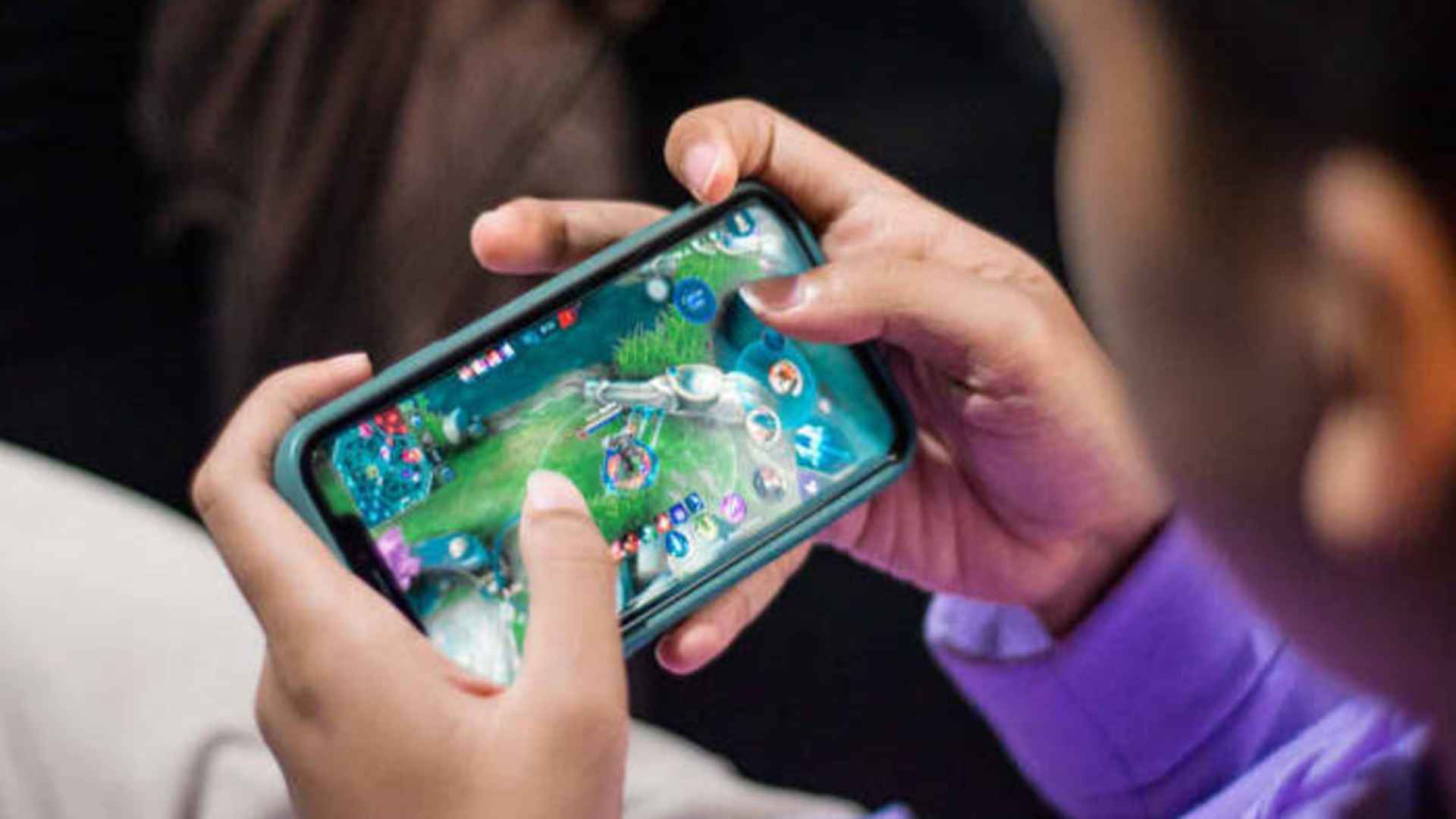
As technology introduces new formats, players often find convenient ways to stay connected through their smartphones and portable devices. Many modern enthusiasts utilize a dedicated m88 link mobile to access their favorite gaming communities from any location seamlessly. This blend of accessibility and modern software ensures that the timeless tradition remains highly relevant for tech-savvy generations.
Fostering Digital Inclusion and Connectivity
The transition of classic entertainment into the virtual space has opened up incredible opportunities for community building on a global scale. Online chat rooms and interactive digital platforms allow individuals from different backgrounds to connect without geographical limitations. These virtual spaces successfully mirror the camaraderie found in traditional physical halls, keeping distant members actively engaged.
Moreover, digital inclusion initiatives often leverage simple, recognizable games to help beginners build confidence with modern online platforms. Learning to navigate digital interfaces in a fun, game-centric environment helps reduce the technological divide that affects many communities. Consequently, participants acquire useful digital skills while enjoying authentic social interactions with a broader audience.
Supporting Local Causes and Charity Events
Beyond providing lighthearted entertainment, community game events frequently serve as highly successful fundraising platforms for local charities and public projects. Organizing charity sessions allows neighborhoods to raise essential funds for schools, medical centers, or civic improvements while enjoying a fun evening. This dual purpose gives participants a profound sense of shared accomplishment and collective pride.
When individuals know that their entertainment directly contributes to a noble cause, the level of engagement and unity increases dramatically. These collaborative efforts highlight the true potential of recreational activities to drive positive real-world change. Ultimately, the game serves as a beautiful reminder that collective entertainment can be a powerful force for social good.